
Sub-Total: RM0.00


Can Digital Locks Be Picked? Debunking the Top Security Myths in Malaysia

Ask any Malaysian homeowner about their biggest security concern when upgrading to a digital lock, and “can someone pick it?” is near the top of the list. It is a fair question — but it is rooted in how traditional mechanical locks work, not how digital locks do. Modern digital lock Malaysia systems do not operate on the same mechanism that conventional picking exploits. Here is the full picture.
Why Digital Locks Cannot Be Picked Like Traditional Locks
Traditional lock picking works by manipulating the key pins and driver pins inside a cylinder. A skilled picker uses a tension wrench and pick to simulate the rotation of the correct key. This technique works because everything depends on internal pin alignment.
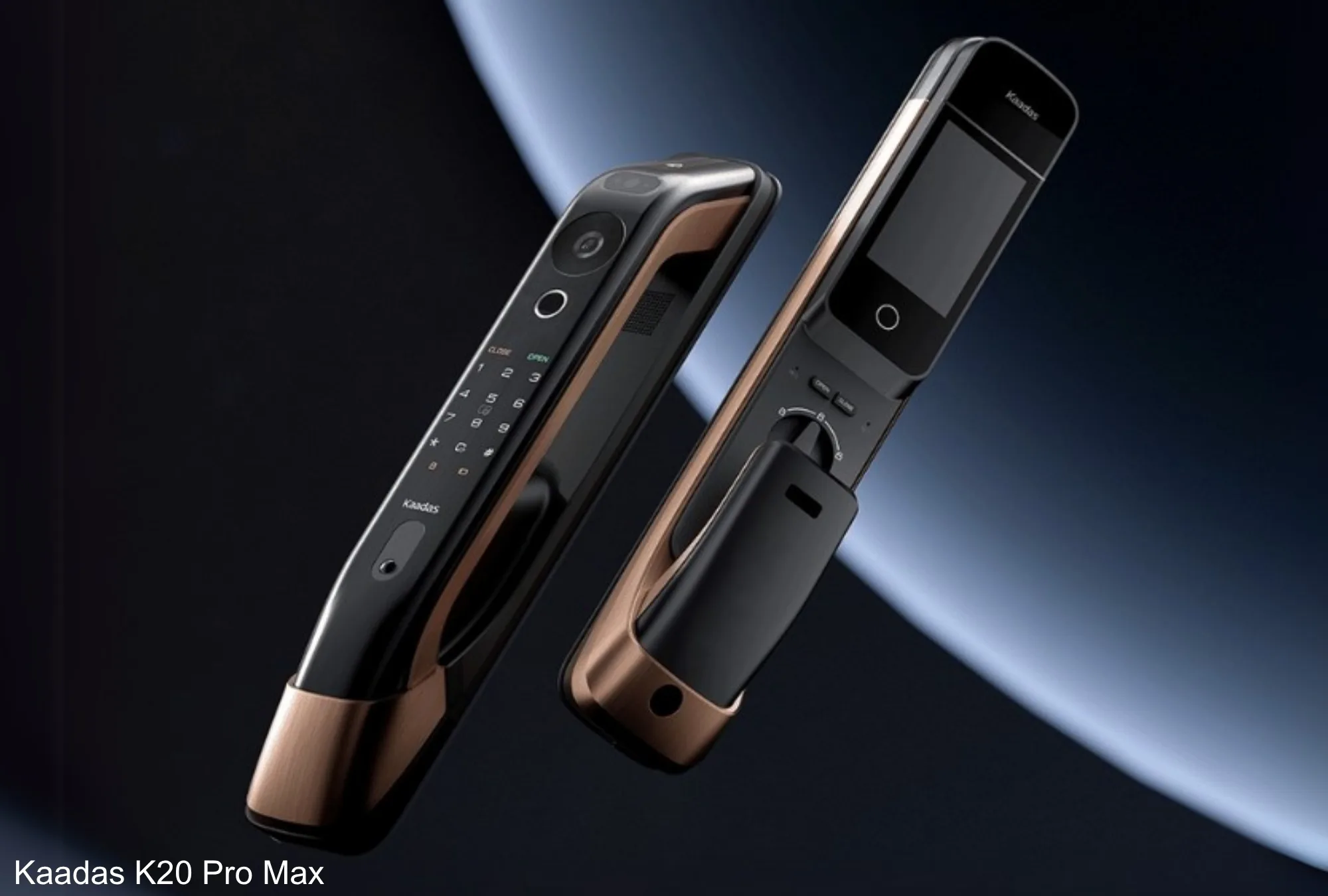
Digital locks do not use this system for primary entry. Fingerprint, face recognition, PIN code, and proximity card access have no pins to manipulate. The motorised bolt only engages when the correct electronic credential is verified — there is no keyway to insert tools into during normal operation.
Kaadas digital locks do include a concealed physical key cylinder as an emergency backup. These are high-grade cylinders with complex internal geometries, anti-pick pins, and hardened materials — significantly more resistant than the standard cylinders found in conventional door locks. For more detail on the engineering behind this, the OBM security advantages article explains how Kaadas’ in-house manufacturing compares to generic alternatives.
What Protects the Keypad and Biometric Entry
The electronic entry methods have their own protection layers. For PINs, Kaadas locks automatically lock the keypad after a set number of failed attempts, requiring a waiting period before another attempt is allowed. This makes brute-force entry impractical.
The fake PIN code feature adds another layer: you can enter random digits before or after your actual PIN sequence, so anyone watching over your shoulder cannot identify your real code from the button presses. The lock reads only the embedded valid PIN from within the longer string of digits.
For biometric entry, the Sweden FPC fingerprint sensor stores a mathematical template of your fingerprint — not an image — using capacitive technology that detects live skin characteristics. Silicone replicas or lifted print attempts will not register as valid.
Physical Attack Resistance: Drill and Tamper Protection
Drilling is the physical attack most often used when picking fails. Kaadas lock bodies include anti-drill steel plates positioned over the motor and circuit board. These are hardened against standard drill bits — the drill will wear before the plate gives way.
All Kaadas models include a vibration-sensitive anti-tamper alarm. When the lock detects unusual physical force — from drilling, hammering, or prying — it triggers a loud alarm immediately. On WiFi-enabled models, this also sends a push notification to the owner’s phone. The noise alone is a significant deterrent in any residential setting.
For more detail on how the installation and physical lock construction work together, the how smart locks keep you safe guide covers both topics.
What Most Break-Ins Actually Look Like
Research from Malaysian security consultants consistently shows that most residential break-ins involve forcing the door frame rather than attacking the lock. A kick to the area around the bolt is faster and requires less skill than any picking attempt.
This is where Kaadas’ triple-bolt mortise construction provides real value. Three bolts engage the door frame simultaneously, distributing force across a wider area and making frame kick-ins significantly harder to execute. Pairing a quality lock with a reinforced door frame is the most effective combination for Malaysian homes.
The Security Layers in a Kaadas Digital Lock
When evaluating any digital lock’s security, the relevant factors are: number of locking bolts, keypad lockout policy after failed attempts, anti-tamper alarm, anti-drill construction, and the quality of the physical key cylinder if one is included. A Kaadas anti-tamper gate lock or main door model addresses all five. This combination provides a level of physical security that a standard key lock cannot replicate.