
Sub-Total: RM0.00


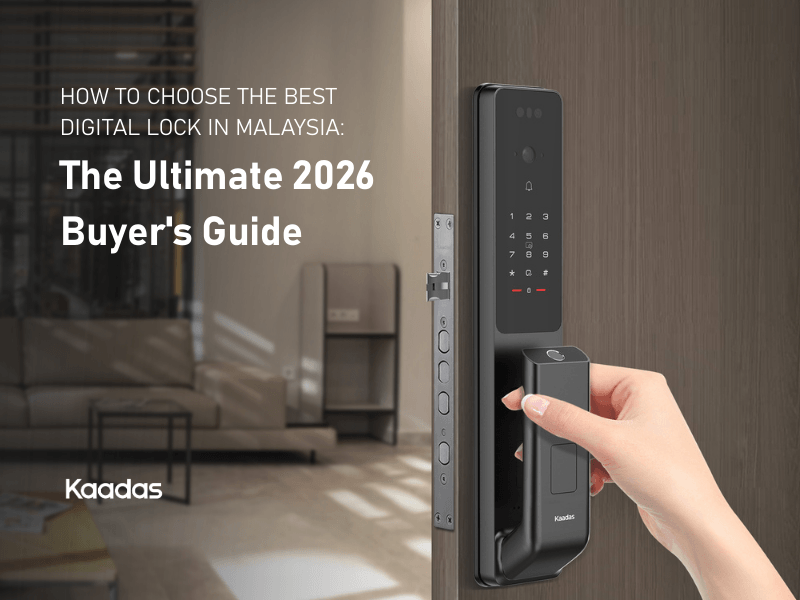
How to Choose the Best Digital Lock in Malaysia: The Ultimate 2026 Buyer’s Guide
Navigating the Smart Security Boom
The home security landscape in Malaysia is undergoing a massive transformation. According to recent industry observations, over 60% of new homes in Malaysia now incorporate smart locks as part of their standard smart home packages.1 Homeowners are rapidly abandoning traditional, easily duplicated physical keys in favor of the convenience, sleek aesthetics, and advanced security offered by digital access systems.
However, with this boom comes market saturation. If you search for the “best digital lock in Malaysia,” you will be flooded with dozens of brands, from premium global manufacturers to cheap, unbranded OEM imports found on e-commerce platforms.
How do you distinguish between a high-quality security device that will protect your family for a decade, and a cheap gadget that will fail after its first heavy rain? At Kaadas, we believe an informed buyer is our best customer. This comprehensive 2026 buyer’s guide breaks down the critical components, features, and red flags you must consider before upgrading your front door.
Step 1: Match the Lock to Your Malaysian Property Type
The biggest mistake buyers make is purchasing a lock without considering their specific door and property type. What works perfectly for a landed bungalow might not be suitable for installation in a high-rise condo.
- Landed Properties (Terrace, Semi-D, Bungalow): Landed homes typically feature a dual-barrier system: a wooden main door and a metal grille gate. When selecting a system, it is important to choose specialised, high-durability hardware that can withstand heavy usage without compromising internal electronics. Look for Metal Gate Locks (like the Kaadas R8GD and R9KFV) and prioritise brands that offer “Dual-Unlock” synchronisation, allowing you to open both the gate and the door simultaneously.
- Rental Properties & Airbnbs: If you manage short-term rentals, aesthetic appeal takes a backseat to connectivity. You need a lock with Built-In Wi-Fi that allows you to generate and manage temporary PIN codes remotely, completely eliminating the need for physical key handovers.
Step 2: The Core Technology Checklist
When comparing brands, ignore the marketing jargon and look directly at the hardware specifications. Here is what separates the best from the rest:
1. The Mortise (The Heart of the Lock)
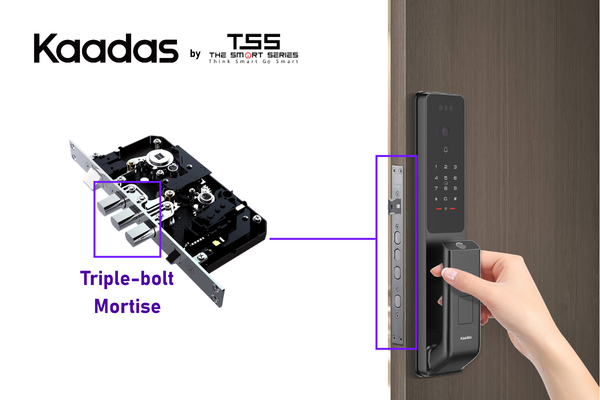
The external panel of a lock is just the interface; the mortise is the heavy metal mechanism inside the door that actually keeps intruders out.
- Red Flag: Cheap locks use plastic gears or lightweight alloy internals that can easily snap under the pressure of a crowbar.
- The Standard: Look for heavy-duty, Cast Iron Mortises featuring triple-bolt mechanisms. This ensures maximum physical resistance against forced entry.
2. Biometric Sensor Quality
Fingerprint scanning is the most popular way to unlock doors, but sensor quality varies wildly.
- Optical Sensors (Outdated): These take a 2D photograph of your fingerprint. They are notoriously slow, easily tricked by fake silicone prints, and often fail if your finger is slightly wet or sweaty.
- Semiconductor Sensors (The Best): Premium locks use FPC Semiconductor sensors (like the technology used in Kaadas locks). These read the electrical capacitance beneath the skin (3D data), unlocking in under 0.5 seconds. They are impossible to spoof and work flawlessly for both children and the elderly.
3. Advanced Features: Face Recognition & Finger Vein
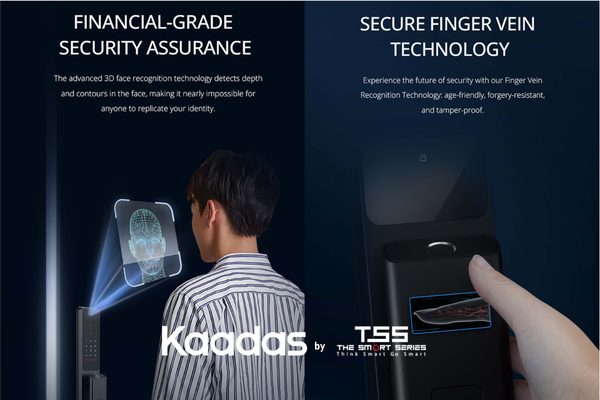
If you want to future-proof your home, look into the latest biometric trends. 3D Face Recognition uses structured infrared light to map your face, offering a completely touchless, highly hygienic unlocking experience that works even in pitch-black corridors. Finger Vein Recognition reads the unique vein patterns inside your finger, providing a banking-level security measure that is ideal for elderly users whose surface fingerprints may have faded over time.
Step 3: Brand Reliability and After-Sales Support
A digital lock is a long-term investment in your family’s safety. Buying a cheap RM300 lock online might seem like a great deal until it jams at 2:00 AM and the seller has disappeared.
When evaluating a brand, ask these critical questions:
- Do they manufacture their own products? Many brands are simply marketing companies that slap their logo on generic OEM products from third-party factories. Brands like Kaadas own their entire manufacturing supply chain (with a massive 308,000 sq.m facility), ensuring rigorous quality control from software coding to hardware casting.
- Is there a local HQ and Service Team? Ensure the brand has a physical presence in Malaysia. Look for dedicated, in-house installation teams rather than outsourced contractors.
- What is the emergency protocol? The best brands in Malaysia offer comprehensive 2-year warranties and, crucially, 24/7 Emergency Support. Security issues don’t stick to office hours, and neither should your lock provider.
The Verdict: Which Digital Lock Should You Buy?
To help you narrow down your choices, here is a quick guide to finding the perfect fit within the Kaadas ecosystem:
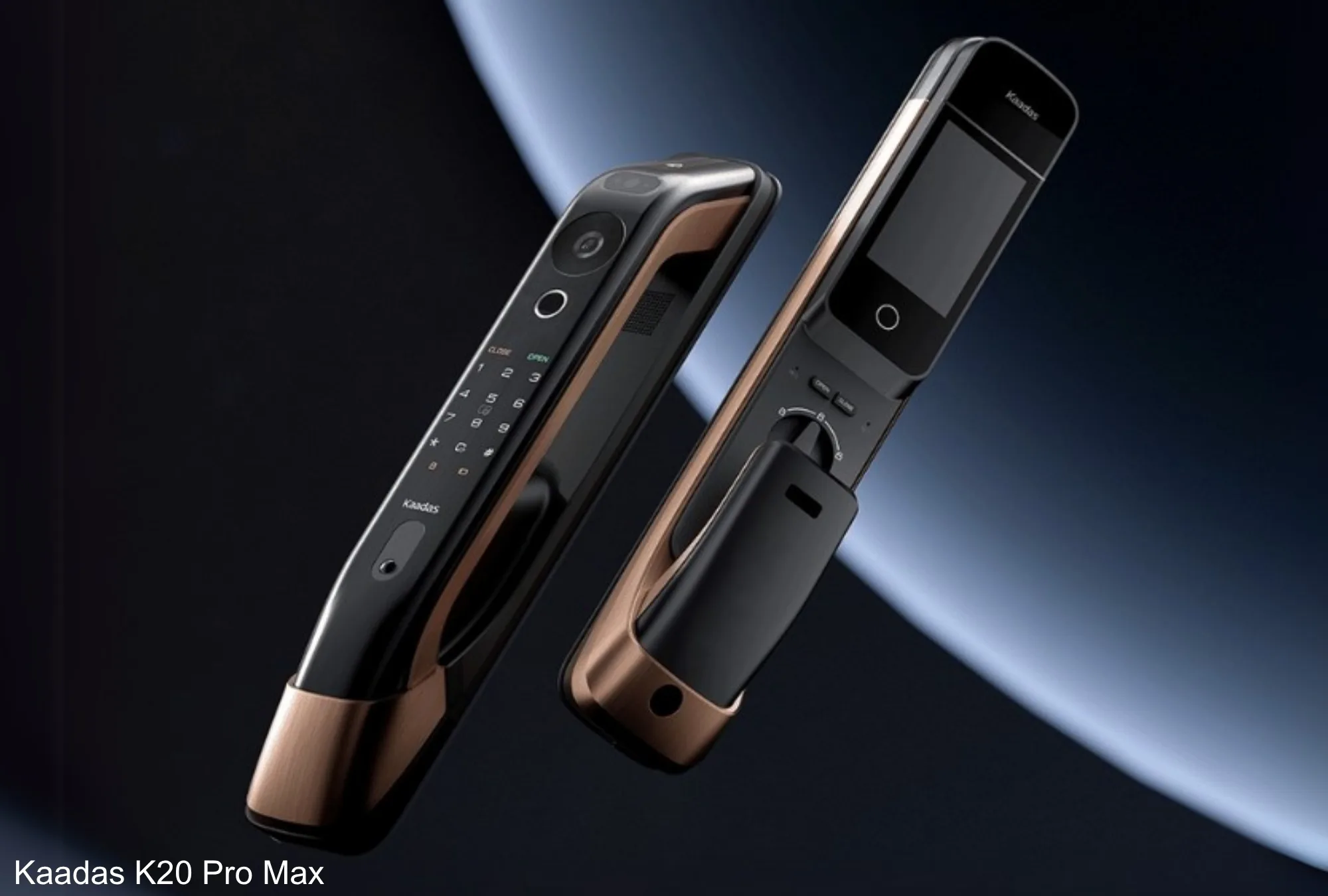
- The Ultimate All-in-One Flagship: [Internal Link: Kaadas K20 Pro Max -> Page 7]. Featuring 3D Face Recognition, an integrated HD video doorbell, and a 4-inch indoor screen, this is the best lock in Malaysia for those who refuse to compromise on security and high-tech convenience.
- The Landed Home Solution: Pair the Kaadas Q9 (Main Door) with the Kaadas R8GD (Gate Lock). This combination provides unparalleled security with the magic of synchronised dual-unlocking.
- The Budget-Friendly High Performer: Priced accessibly, this model, Kaadas M7, still offers premium FPC fingerprint sensors and Wi-Fi app control, making it the perfect upgrade for first-time buyers or condo dwellers.
Investing in the right digital lock transforms your daily routine, providing unshakeable peace of mind. For more insights, browse our detailed product pages or speak to an expert today.